
Warm Earthy Tones and Curves: The 2026 Home Decor Trends Worth Embracing
The Two Trends Redefining Every Room in 2026
Home design moves in waves, and right now two forces are reshaping interiors at the same time: a return to warmth through earthy, nature-derived color, and a softening of shape through curved, organic forms. Neither of these is a passing moment. Both respond to something deeper: a widespread desire for homes that feel genuinely restoring, that push back against the austerity of the all-white minimal decades and bring back the comfort of color, texture and roundness.
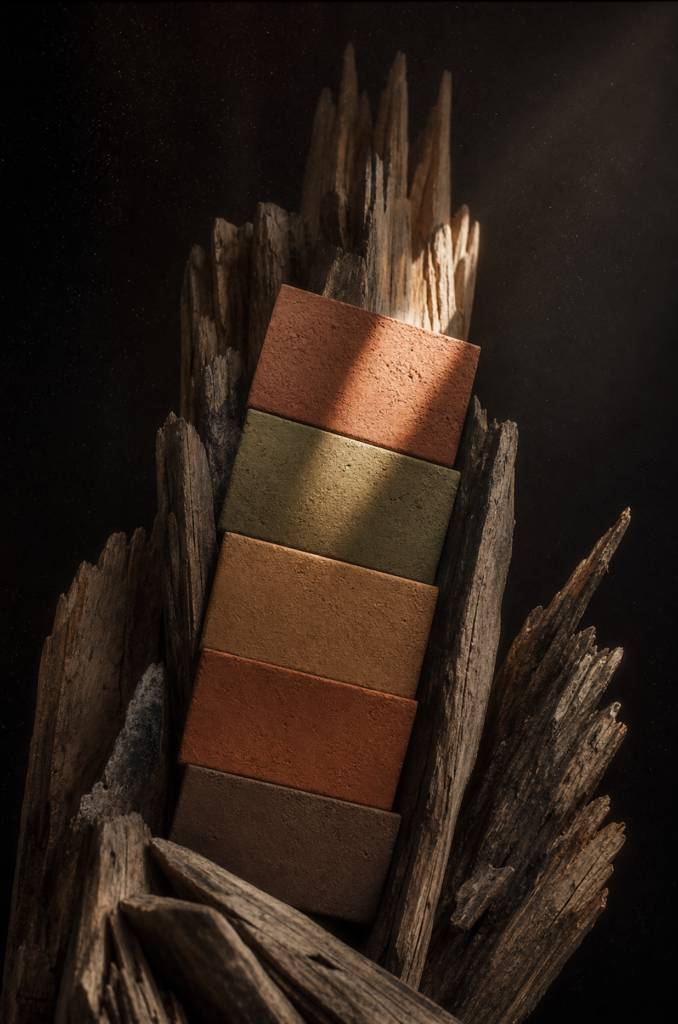
Earthy tones home decor in 2026 is not the beige of the early 2010s. It is richer, more nuanced and more intentional: terracotta, clay, warm olive, dusty ochre, burnt sienna, raw umber alongside warmer iterations of cream and warm white. These colors reference the natural world directly: soil, stone, wood, dried botanicals. They feel grounding because they are grounded, in the most literal sense.
Curved furniture – soft arches, rounded sofas, oval tables, circular mirrors – arrived as a gentle rebellion against the sharp-edged minimalism that dominated the previous decade. But in 2026, curves have matured from trend moment to genuine design principle, integrated into rooms that are serious about comfort and beauty in equal measure.
This guide walks through 8 ways to bring both trends into your home in a way that will not look dated in three years, because both, executed well, connect to timeless principles of good design.
Understanding the Earthy Tones Palette
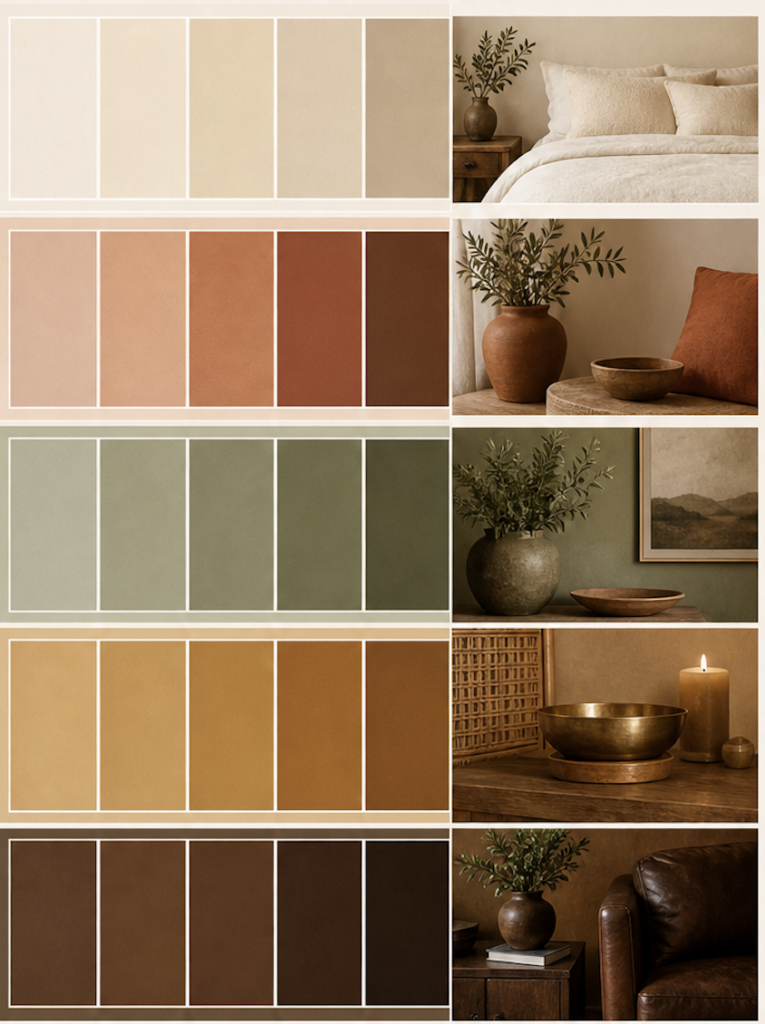
The earthy tones palette of 2026 is built on five color families that can be combined, layered and shifted depending on the light in your home, the furniture you already own and the feeling you are working toward.
Warm whites and creams form the foundation. These are not the cool, blue-white of the 2015 minimal aesthetic. They are creamy, warm and slightly off, with undertones of yellow, pink or grey that make them feel natural rather than clinical. They work on walls, bedding, curtains and upholstery as the neutral base that lets everything else breathe.
Terra-cotta and clay are the signature colors of the moment. From the palest blush terra-cotta to deep, saturated clay, this family of color brings warmth and earthiness to any space. Used on a single wall, in a statement piece of furniture or layered through cushions, throws and ceramics, terra-cotta almost always reads beautifully in a natural-light room.
Warm olive and dusty sage bring the botanical note. These are not the harsh military olives or the cool, grey-toned sages of years past. They are dusty, warmer and more complex, sitting comfortably alongside terracotta and cream without pulling the room into green territory.
Amber, ochre and warm gold add depth. These colors appear most naturally in natural materials (wood grain, rattan, beeswax candles, aged brass) and are the tones that give a room its warmth when the afternoon light hits. They do not always need to appear in paint or upholstery; they are often best allowed to emerge through material choices.
Rich brown (from warm chocolate to raw umber) grounds the palette and provides depth. In 2026, brown has completed its full rehabilitation from the unfortunate neutrals of the early 2000s and is now recognized as one of the most elegant and grounding colors a room can have. A deep brown leather chair, a walnut side table or dark wooden flooring brings weight and richness to spaces that might otherwise feel too light.
Why Curves Work
Sharp edges in interiors create energy: movement, direction, dynamism. Curves create calm. Spaces with predominantly curved forms can feel more welcoming and more restful than angular ones. Given that most people are asking more of their homes – asking them to be sanctuaries, not just addresses – the move toward curves makes complete sense for many.
The curved furniture trend began with sofas, moved to chairs and coffee tables and has now extended to shelving, mirrors, bed frames, kitchen islands and architectural details like arched doorways and alcoves. In 2026, a room with no curves at all starts to feel slightly severe by comparison.
What makes curves feel timeless rather than trendy is that they reference organic forms: the rounded shapes found in nature rather than the manufactured geometry of industrial design. A sofa with a deep, curved back and softly rounded arms recalls something ancient and comfortable. It looks at home in a Victorian terrace, a modern apartment and a country farmhouse equally.
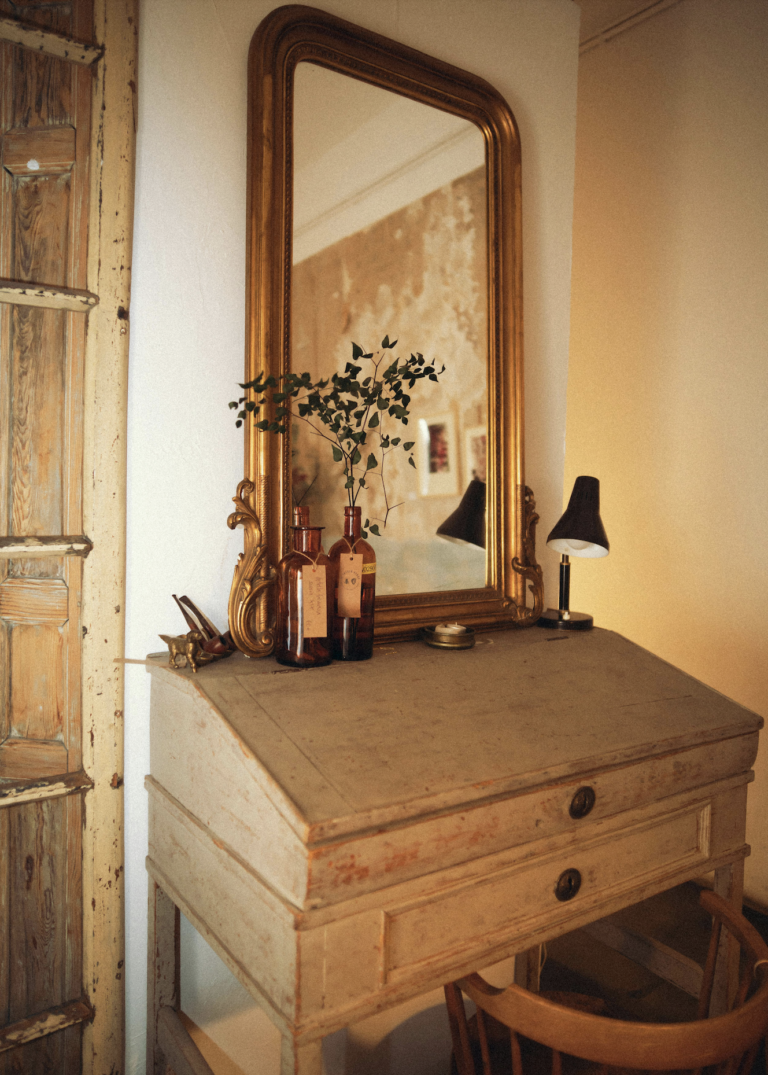
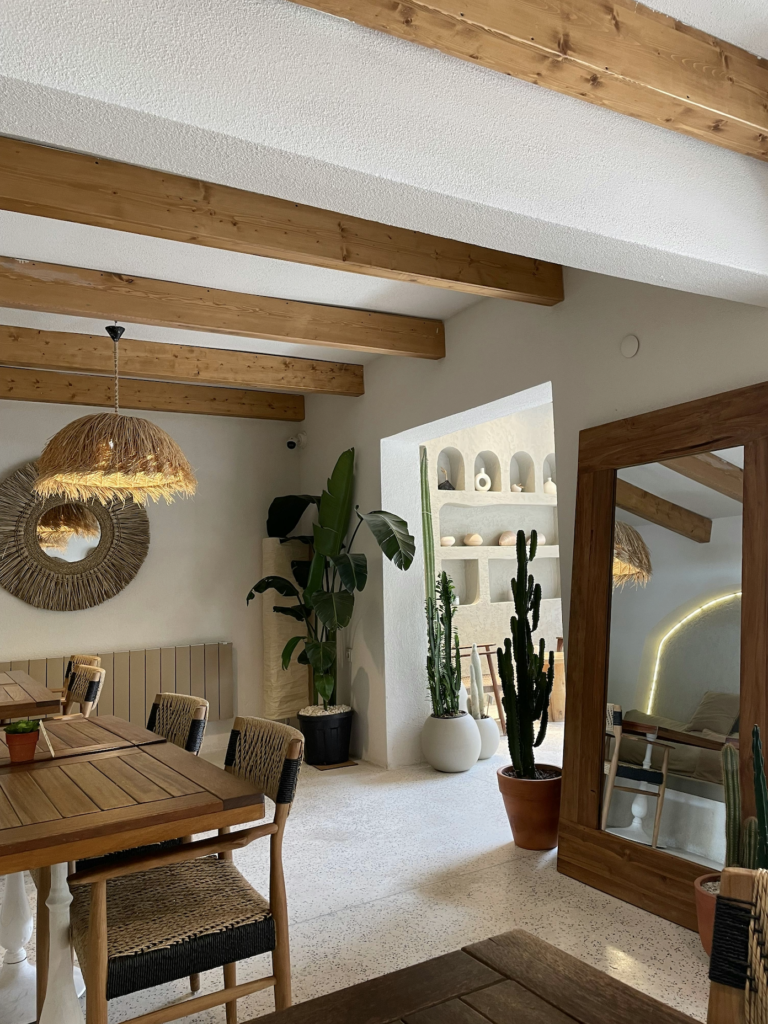
The key to incorporating curves well is to let them be the shape of the room’s significant pieces – the sofa, an armchair, a large mirror – rather than applying them indiscriminately. Mixing some rectilinear furniture with curved pieces creates visual balance. A round coffee table softens a square room. A rectangular dining table grounds a space where the chairs and sideboard are curved. The contrast makes both more interesting.
Five Rooms and How to Apply Both Trends
The Living Room
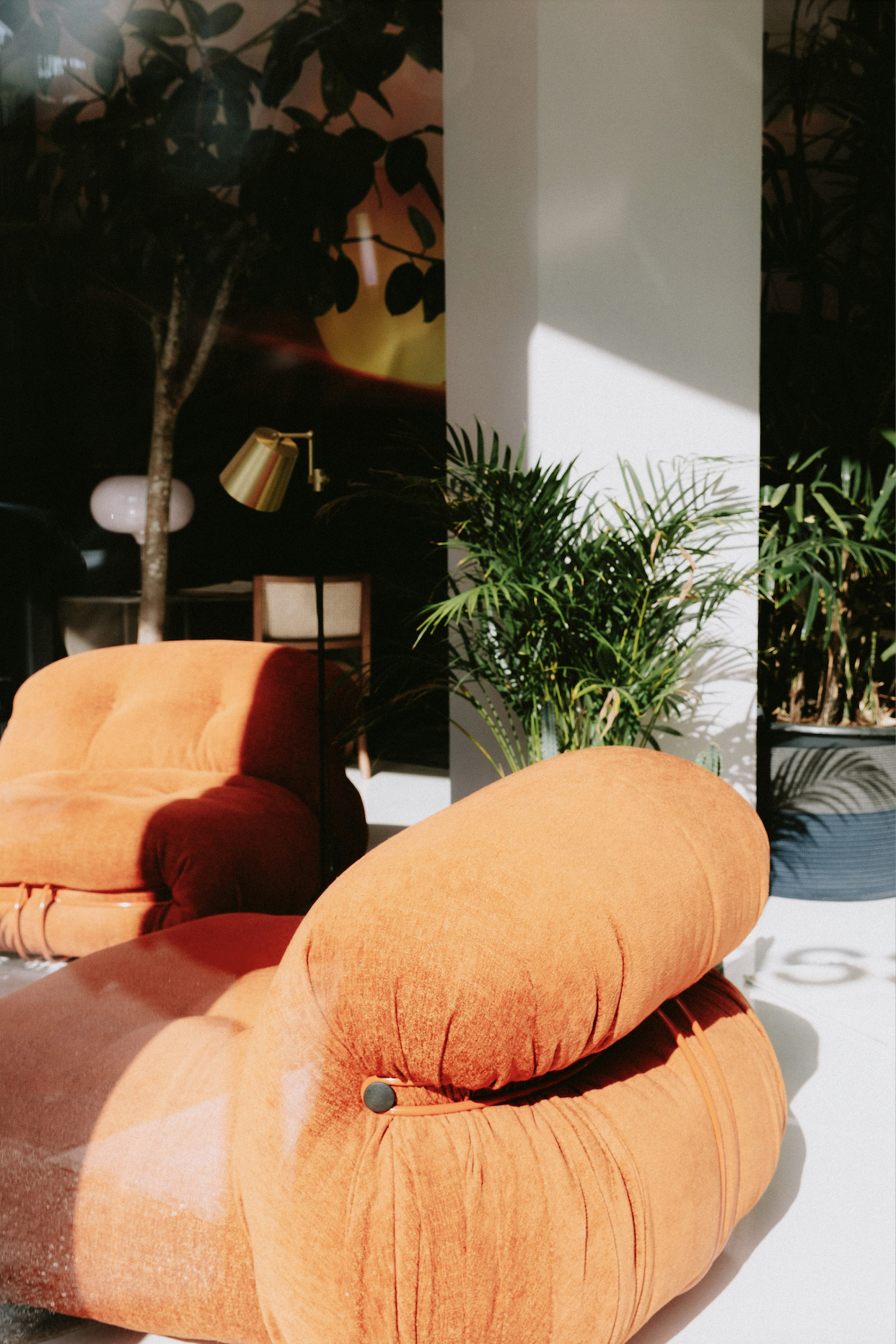
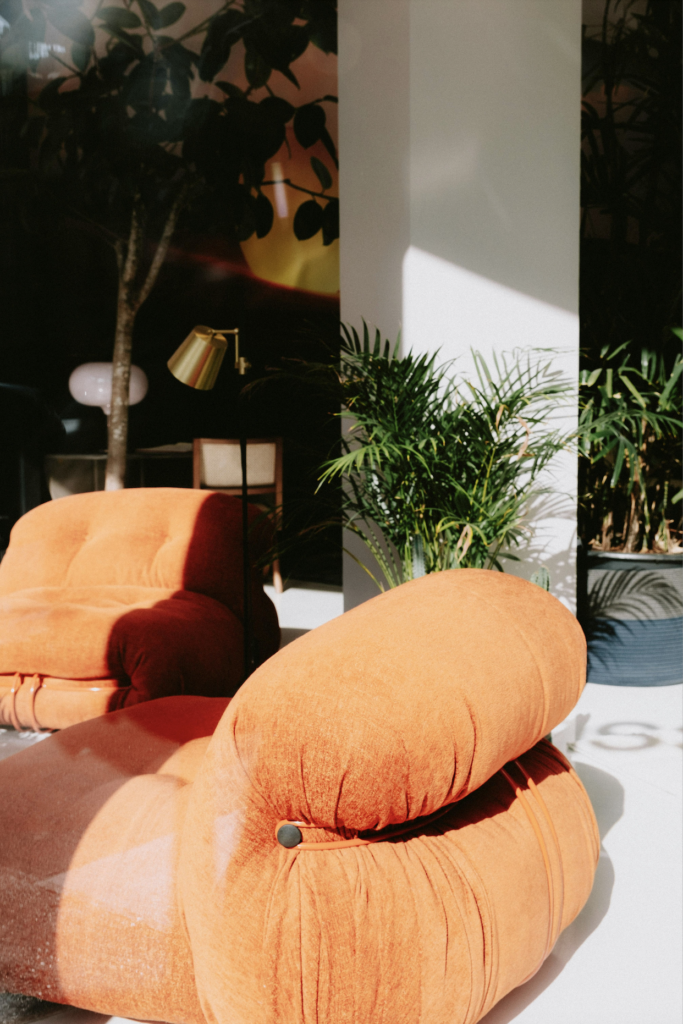
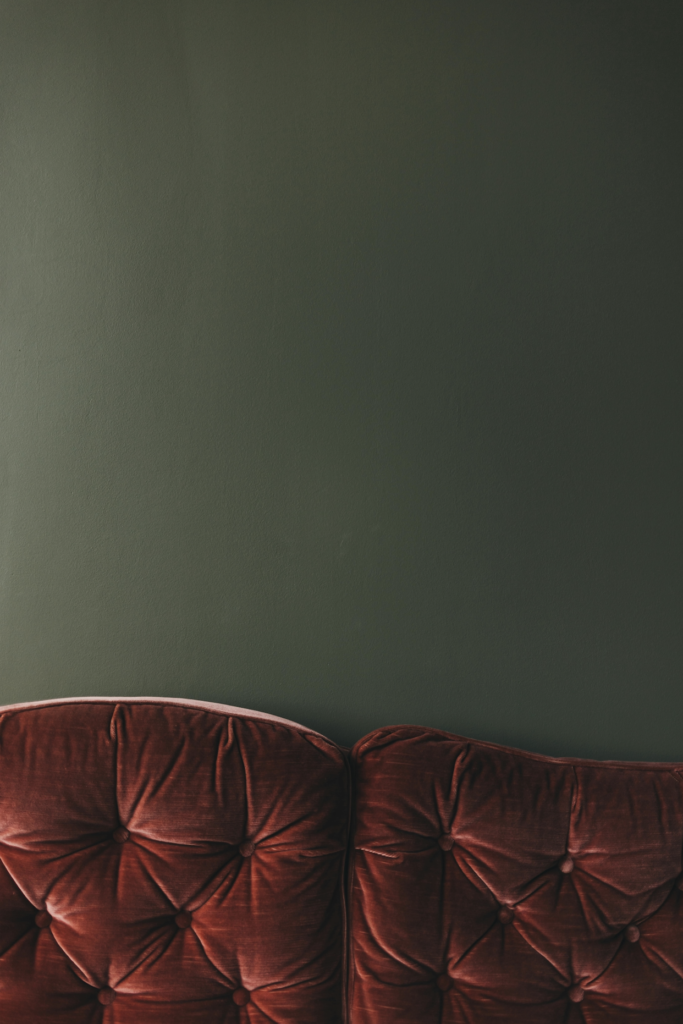
This is where both trends perform most powerfully. Begin with your largest piece: if you are investing in one new sofa, consider a rounded silhouette in a warm, earthy upholstery like a boucle in warm ivory, a velvet in clay or dusty sage, or a linen in warm mushroom. Build the palette around the sofa by layering in additional earthy tones through cushions, throws and rugs. A large round or oval coffee table in natural stone, travertine or warm wood completes the curved language of the room. Warm the walls with a terra-cotta or dusty amber paint on one wall, or let the natural light warm a creamy white throughout.
The Bedroom
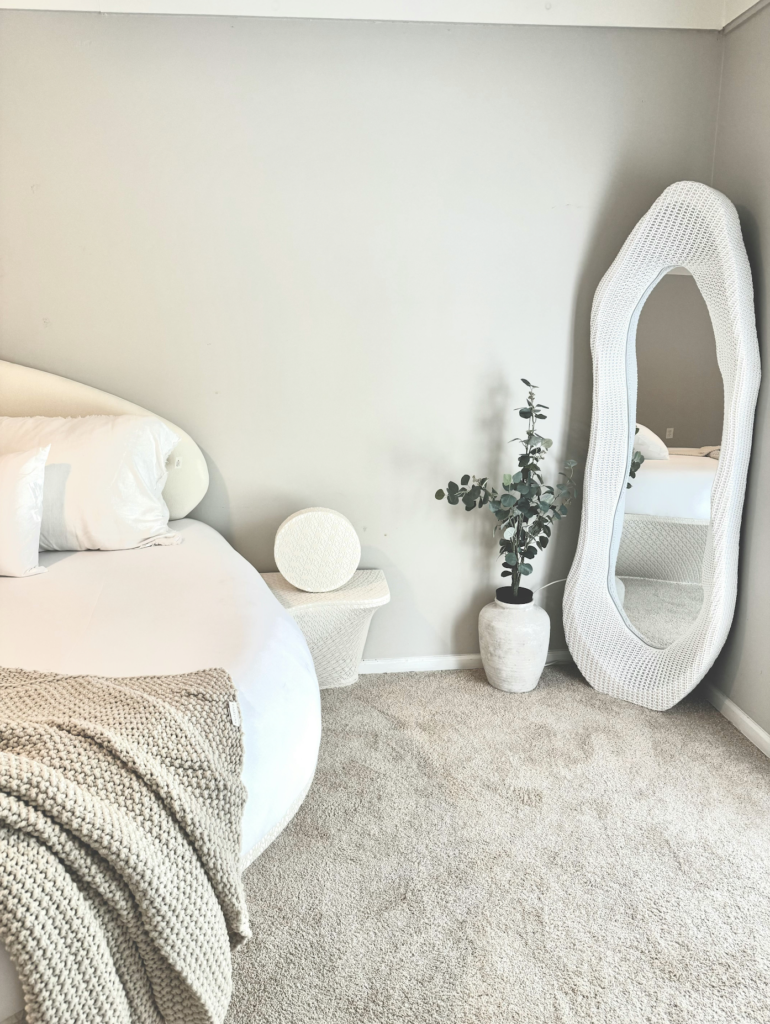
The bedroom is where earthy tones feel most instinctively right. The connection to nature and the grounding quality of the palette support rest in a way that bright or cool colors do not. An arched or curved bed frame in natural wood, cane or upholstered in warm linen is the single highest-impact investment in this space. Layer bedding in warm neutrals and earthy tones: a cream linen duvet, terracotta or dusty rose pillow covers, a heavy warm-toned throw. Replace cool-toned or stark white bedside lighting with amber-toned lamps in organic forms: ceramic, stone, turned wood.
The Kitchen
Earthy tones are transforming kitchens. Terracotta tiles on the floor, as a backsplash or on a single accent wall instantly warm a kitchen that might otherwise feel sterile. Warm wood cabinetry, cream or warm putty-toned painted cabinets and aged brass or warm bronze hardware bring the palette into a functional space beautifully. Open shelving in natural wood, displaying ceramics in earthy tones and raw materials, creates a room that feels both useful and beautiful. For curves, an oval or round kitchen island, curved cabinet door handles and arched niches in alcoves are all increasingly available options.
The Bathroom
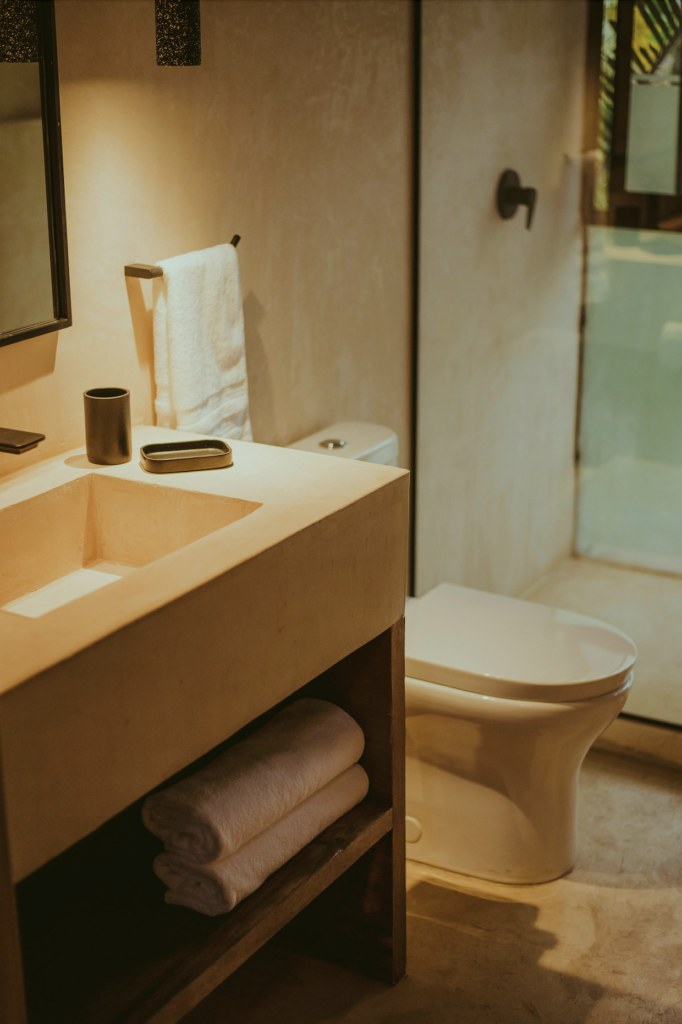
The bathroom is where the earthy palette creates something genuinely spa-like. Travertine brings natural warmth and texture. Warm-toned stone, terracotta floor tiles, cream plaster walls or limewash finish on a single wall all work beautifully. Aged brass fixtures are the hardware of choice in this palette. For curves, an oval or round mirror above the vanity, a freestanding bath with organic curves and rounded cabinet hardware bring softness to a utilitarian room.
The Home Office
The home office has often been the room most resistant to aesthetic consideration, and it need not be. A warm, earthy color on the walls transforms the energy of the room and makes long hours at the desk more bearable. A curved desk chair, a round pendant light and a few considered objects in natural materials (a ceramic pen holder, a wooden tray, a stone paperweight) introduce both trends at a low cost and make the space feel genuinely designed rather than assembled from necessity.
Materials That Carry Both Trends
Certain materials are doing heavy lifting in 2026 interiors because they naturally embody both the earthy palette and the organic, rounded aesthetic simultaneously.
Travertine and natural stone are among the strongest. Travertine’s warm, creamy tones and natural texture make it ideal for surfaces, flooring, coffee table tops and decorative objects. It carries warmth even in natural stone’s cool quality, and its imperfections are features rather than flaws in 2026.
Boucle has become so associated with the curved sofa trend that they are almost inseparable. A boucle upholstered piece in warm ivory or cream is both the material and the form working together: the texture is tactile and welcoming, and it photographs with a softness that works perfectly on Pinterest boards.
Rattan and cane bring natural warmth and lightness. Rattan chairs, cane-paneled headboards, wicker pendant lights and rattan-weave storage objects all carry the natural palette naturally, without adding visual weight. They are particularly effective when combined with heavier, warmer textiles like linen and wool.
Aged brass is the metal of the 2026 earthy palette. Its warm, slightly darkened tone sits far more comfortably in an earthy, organic room than chrome or even brushed nickel. As hardware, lighting and object material, aged brass reads as both elevated and entirely natural within this palette.
Dried botanicals such as pampas grass, cotton stems, dried olive branches, preserved eucalyptus have become ubiquitous in earthy-toned interiors, and with good reason. They bring the natural color palette into vertical space, add texture and movement, and require no maintenance. In large statement arrangements in organic ceramic vases, they are among the most effective and affordable ways to commit to the aesthetic.
The Quiet Luxury Way to Embrace These Trends
The quietest, most considered way to bring earthy tones and curves into your home is not to redecorate all at once. It is to add deliberately, layering over time, always asking whether a new piece connects genuinely to what you already love rather than simply to what is trending.
Start with textiles. A new throw in a terracotta or dusty olive, a pair of cushions in a warm earthy tone, a linen duvet cover in warm cream: these are the lowest-risk, lowest-cost changes that immediately shift the feeling of a room in the direction of this palette. They can be updated without commitment and without significant investment.
Move to objects next. A large ceramic vase in a warm earthy glaze, a travertine tray on the coffee table, a set of linen napkins in warm clay tones for the kitchen. These objects build the palette slowly and bring the natural material story into the room without major furniture decisions.
When you are ready for a furniture investment, choose one piece that will anchor the aesthetic such as a curved sofa, a round coffee table, an arched mirror, and build around it carefully. The investment piece should be bought for longevity, not trend. A rounded, tightly upholstered sofa in a high-quality warm-toned fabric will look as good in ten years as it does today, which is the only reason to spend seriously on anything.
What to Avoid When Decorating with Earthy Tones
A few common mistakes are worth knowing before you invest.
Mud is not earthy. When too many warm brown and terracotta tones are combined without any light relief, the room can feel heavy and dark rather than grounded and warm. Always balance the earthy tones with light through warm white walls, natural light, mirrors and lighter-toned textiles. The earthy palette works through contrast and relief, not saturation from floor to ceiling.
All curves, no anchoring. A room where every single piece has a rounded form (circular rug, curved sofa, round coffee table, oval mirror, arched shelving) can begin to feel unstable and slightly cartoonish. Rectilinear elements provide the visual anchoring that lets curves read as intentional. A rectangular bookcase, a straight-edged dining table, a square armchair. These ground a space and give the curves somewhere to breathe.
Cheap versions of quality materials. The earthy palette looks extraordinary in genuine travertine, real wood and quality linen. It looks significantly less convincing in laminate wood-effect flooring, polyester boucle or synthetic terracotta-painted plywood. If budget is a consideration, invest in fewer quality pieces and be patient. One real ceramic vase is better than five plastic ones in the same color.
Frequently Asked Questions
What are earthy tones in home decor in 2026?
Earthy tones in 2026 home decor refer to a palette of warm, nature-derived colors: terracotta, clay, warm cream, dusty sage, warm olive, ochre, amber and warm brown. These colors reference soil, stone, dried botanicals and natural wood, and they bring a grounding, restorative quality to interiors. They differ from the cool beige of the 2010s by being warmer, richer and more varied.
What colors complement earthy tones?
Earthy tones combine beautifully with warm whites and creams, natural wood tones, aged brass, warm greens (particularly dusty sage and olive), soft terracotta and warm brown in any shade. They are less successful with cool blues, stark white, grey-toned neutrals and chrome, which pull in a direction that feels disconnected from the warmth of the palette.
How do I make an earthy toned room feel light and not dark?
The key is to use earthy tones for accent and layering, not for covering every surface in dark color. Keep walls in a warm cream or warm white and introduce the earthy palette through textiles, objects, one accent wall or key furniture pieces. Maximize natural light with simple, unlined linen curtains. Use mirrors to reflect light. Choose warm-toned lighting, which will enhance the earthy palette, not fight it.
Is terracotta a good color for a living room?
Terracotta is a wonderful color for a living room, particularly in a north or east-facing room that lacks natural warmth. It works best as an accent wall color paired with warm cream on the remaining walls, as a sofa or armchair upholstery choice in a lighter room, or as a layered textile color rather than a full-room paint color. In rooms with abundant natural light, terracotta walls throughout can feel genuinely beautiful and warm.
What is boucle fabric and why is it trending?
Boucle is a looped, textured fabric woven from wool, cotton or synthetic fibers that creates a nubby, tactile surface. It became closely associated with the curved sofa trend because its soft texture complements rounded forms beautifully, and because it photographs with a warmth and richness that performs very well on visual platforms like Pinterest. Boucle in warm ivory, cream or warm white is among the most popular upholstery choices in 2026.
How do I combine curved and straight furniture?
The most effective approach is to let one or two key pieces define the curved language of the room and anchor the space with rectilinear pieces: a straight-edged bookcase, a rectangular dining table, square side tables. This contrast gives each form room to be itself and prevents the room from feeling either too rigid or too soft.
What natural materials work with earthy home decor?
Travertine and natural stone, boucle wool, linen, rattan and cane, natural wood (particularly walnut, oak and ash in warm tones), aged brass, ceramic and terracotta, wicker and jute all work beautifully within the earthy palette. These materials share a common thread: they are imperfect, warm and natural-looking, and they age gracefully rather than deteriorating.
Is brown coming back in interior design?
Brown is fully back and has been rehabilitating steadily for the past three years. In 2026, warm brown tones are among the most respected colors in interior design. The key difference from the dated brown interiors of the early 2000s is that 2026 brown is warmer, more varied and combined with richer earthy companions rather than with orange or heavy wood paneling.
Can earthy tones work in a small apartment?
Yes, and often very well. The warmth of the earthy palette makes small spaces feel cozier and more intentional rather than empty or harsh. To prevent the palette from making a small space feel enclosed, keep walls in warm cream rather than deep terracotta, maximize natural light and use the earthy tones in textiles and objects rather than on every surface. Mirrors in organic forms add light and reinforce the aesthetic simultaneously.
A Home That Feels Like the Earth
The most enduring rooms are those that feel like they were built from the inside out, from the people who live in them, the objects they love, the colors that make them exhale when they walk through the door. Earthy tones and organic curves in 2026 are not just a trend. They are an invitation to build a home that feels genuinely alive, warm and human.
Take what resonates, leave what does not and build slowly. The rooms worth living in are always the ones that took time.
See more inspiration from Cassy & Lynn on Pinterest: Cassy Lynn on Pinterest
Disclaimer
This blog post is created for inspirational and entertainment purposes only. It reflects personal perspectives and curated ideas, and should not be considered professional advice. Products recommended may be enabled for affiliate earnings by the seller, at no extra cost to the shopper. Where photographer copyright is not mentioned, images are created with the assistance of artificial intelligence, while the featured products themselves are real.