
Vintage Lifestyle Home Decor: How to Build a Home That Feels Timeless, Not Themed
The Vintage-Lived Home
The vintage lifestyle approach to home decor is something quiet unique. It is about building a home that accumulates meaning over time, one where the objects have histories, the pieces were chosen slowly, and the overall feeling is of a space that has been genuinely lived in by a person who pays attention to beauty.
This is the timeless version of vintage: a home that looks as though it has always been exactly this way, because the person who made it has been quietly collecting, inheriting, and curating for years. It has nothing to do with age and everything to do with intention.
The Core Principles of Vintage Lifestyle Decor
Understanding the underlying logic of vintage lifestyle decor makes it much easier to execute well and much harder to accidentally tip into pastiche.
Objects should have stories. The vintage lifestyle home is not furnished with reproductions or mass-produced “antique-style” pieces. It is furnished with things that either genuinely have histories like inherited pieces, found objects, secondhand discoveries, or were chosen with such care that they feel as though they do. The story is the value.
Patina is a feature, not a flaw. The worn armchair that has been in the family for forty years is more beautiful than a new one in the same style. The scratched wooden table that shows the marks of a thousand dinners is more interesting than a pristine one. In a vintage lifestyle home, evidence of use is evidence of value and the things that show their age do so with dignity.
Quality survives trends. The foundational pieces in a vintage lifestyle home are almost always things of genuine quality: solid wood furniture, hand-thrown ceramics, cast-iron cookware, real wool rugs, linen textiles. These materials age beautifully in a way that particleboard, polyester, and imitation finishes simply do not. The investment in quality is what makes the vintage lifestyle home look better with time rather than worse.
The room should feel complete without being crowded. Vintage lifestyle decor is not maximalism. It is careful editing. Each object earns its place, and empty space is treated as the necessary counterweight that allows each piece to breathe and be seen.
Starting From What You Already Have
The most authentically vintage rooms are rarely assembled by shopping. They grow from what is already there like the inherited piece, the thing found at a flea market years ago, the ceramic acquired from an artisan at a farmers market. These existing objects are the seeds of the vintage lifestyle home, and the first step is recognising them.
Walk through your home with fresh eyes and ask: what here has a story? What was chosen slowly and deliberately? What would be genuinely missed if it were gone? These are the pieces to build around.
Then ask: what is here simply because it was available, or because it filled a gap, or because it was on sale? These are the pieces that can go (donated, sold) to make room for the ones that matter.
This editing process is often the most transformative single step in creating a vintage lifestyle home. The room does not need more things. It needs fewer things, and better ones.
How to Source Vintage and Antique Pieces Well
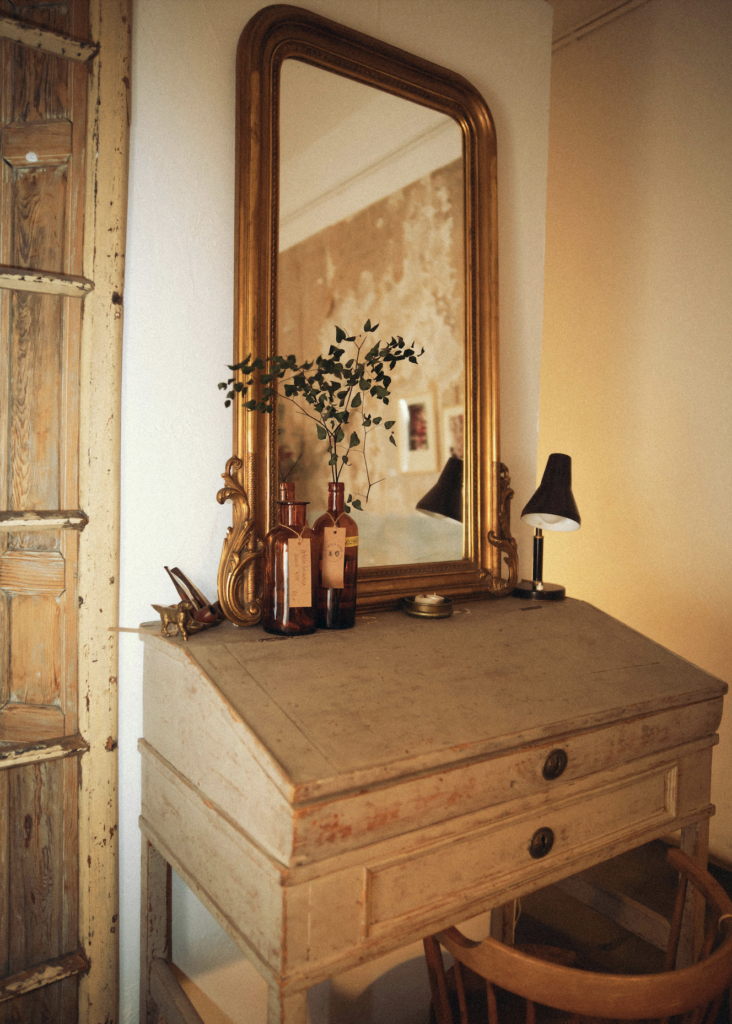
Sourcing is where the vintage lifestyle home is actually built, and it is a practice that rewards patience and knowledge over urgency and spending.
Estate sales and auctions: These are the best source of genuinely old pieces at reasonable prices. Estate sale furniture, textiles, and objects come from real homes rather than from dealers, which means the pieces have authentic histories and have not been marked up through multiple hands. Online estate sale platforms like EstateSales.net and Bid Spotter list events nationally in the States.
Antique markets and flea markets: The best ones such as Brimfield in Massachusetts, the Rose Bowl Flea Market in Pasadena, the Scott Antique Markets in Atlanta, are destination events worth planning a day around. At antique markets, negotiation is expected and learning to identify quality quickly is a real skill that improves with practice.
Thrift and charity shops: The quality of thrift store finds varies enormously by neighbourhood, but in areas with a high concentration of well-furnished older homes, the donations can be extraordinary. Regular visits, an eye for quality materials, and the willingness to look past damaged finishes (which a good restorer can address) are all that is needed.
Online vintage platforms: Chairish, 1stDibs (for higher-end pieces), Ruby Lane, and Etsy Vintage all offer searchable inventory that makes it possible to find specific pieces without geography limiting your options. The limitation is not being able to assess condition in person. Perhaps ask for detailed photographs and a condition description before purchasing anything significant.
Family and inheritance: The most meaningful vintage pieces in any home are the ones that were passed down. A grandmother’s silver, a great-aunt’s oil painting, a father’s reading chair. These objects carry weight that no purchase can replicate. If there are family pieces in storage or forgotten, this is the time to bring them forward.
The Vintage Lifestyle Approach to Furniture
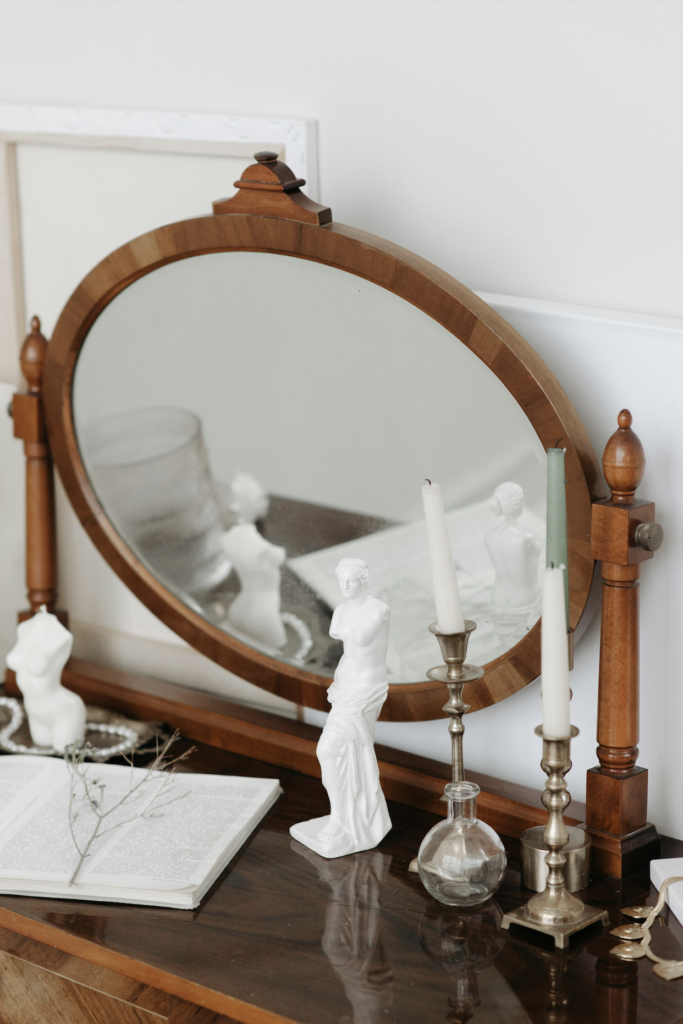
Furniture is the structural layer of any room, and in the vintage lifestyle home it follows specific principles that separate it from both the purely modern and the purely antique approach.
Mix periods rather than matching. A room furnished entirely in one style (all mid-century, all Victorian, all farmhouse) reads as a museum or a showroom. The vintage lifestyle home mixes thoughtfully: a 1960s armchair beside a Georgian writing desk beside a contemporary linen sofa. The thread connecting them is quality of material and care of form, not shared provenance.
Prioritise solid materials. Wood, metal, marble, stone, and real textiles. These age well. Particle board, resin veneers, and imitation leather do not. The vintage lifestyle home is built on furniture that will still be beautiful in twenty years, which means buying less, buying better, and being patient.
Restore rather than replace. A good chair with worn upholstery and excellent bones is a far better investment than a new one. Reupholstering, refinishing, and repairing are the practices at the heart of the vintage lifestyle, which is the belief that something made well deserves to continue rather than to be discarded. A skilled upholsterer can transform almost any piece.
Allow variation in scale. Vintage rooms breathe because the pieces vary in height, weight, and presence. A low, wide sofa paired with a tall, narrow bookcase; a heavy wooden dining table with lighter, more delicate chairs. The contrast of scale creates the visual interest that makes a room feel curated rather than designed.
Layering Textiles the Vintage Way
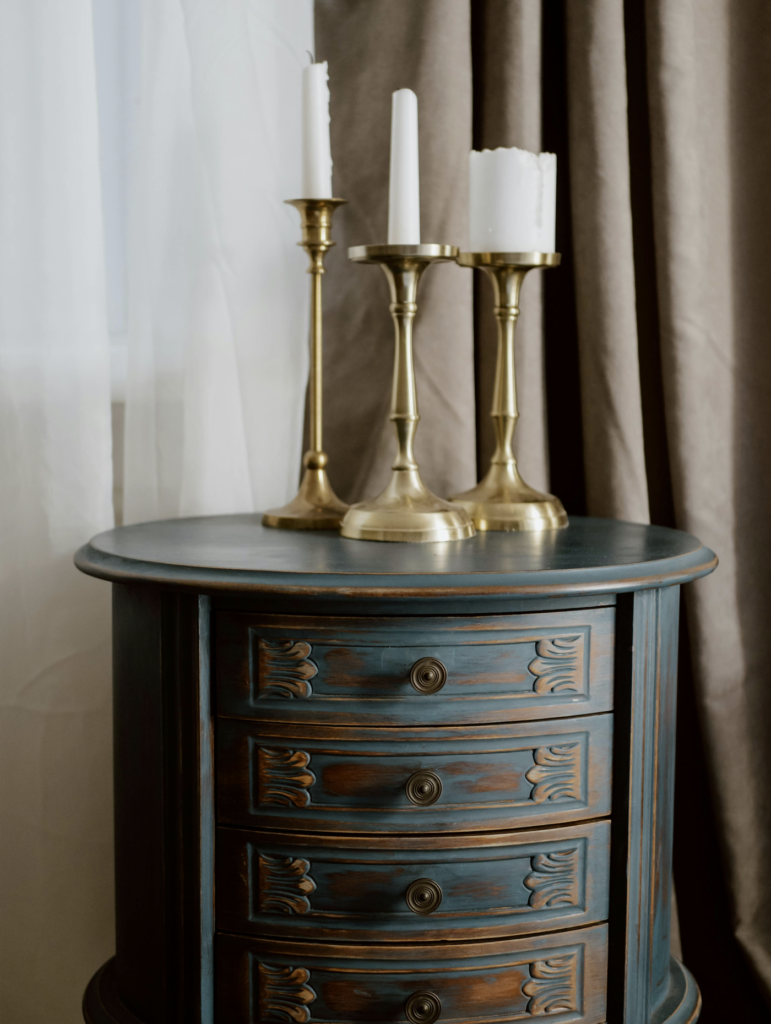
Textiles are where the vintage lifestyle home acquires its warmth and its lived-in quality. A beautifully furnished room that lacks the right textile layer always reads as slightly cold — too complete, too careful, not yet inhabited.
Wool rugs: The foundation of the vintage lifestyle textile approach. A good wool rug — Persian, Oushak, Scandinavian flatweave, or a well-faded vintage kilim — brings warmth, pattern, and history to any floor. New rugs rarely have the same softness or depth as pieces that have been lived on for years. Invest in quality and expect them to improve.
Linen and cotton throws: Draped rather than folded, slightly imperfect in their arrangement. A beautifully woven linen throw over the back of a sofa or armchair is one of the fastest ways to introduce the vintage lifestyle aesthetic into a room that does not yet have it.
Embroidered or heirloom cushions: A mix of textures and patterns — but never more than three or four per seating surface. A vintage embroidered cushion beside a simple linen one beside a small velvet one in a complementary tone. The mixing is the point; the restraint is what keeps it from becoming chaos.
Curtains in natural fabrics: Linen, cotton, or silk voile — never polyester or blackout synthetic in the main living spaces. Natural fibre curtains move slightly in a breeze, pool softly on the floor, and age into a specific kind of beauty that synthetic curtains never achieve.
The Role of Art and Objects in the Vintage Lifestyle Home
Art and decorative objects are the most personal layer of any home, and in the vintage lifestyle aesthetic they deserve more care and intentionality than perhaps any other category.Original art over reproductions. A single small original oil painting, even by an unknown artist, is worth more to a vintage lifestyle home than a large reproduction of a famous painting. The original has a presence and a history; the reproduction is essentially wallpaper. This does not require significant spending: original prints, watercolours, drawings, and small-format oils are available at very accessible price points through estate sales, charity auctions, and online platforms.
Books as objects. A room filled with real books has a warmth and an intellectual presence that nothing else provides. The vintage lifestyle home has bookshelves that look as though they were assembled by a person who loves books, not by an interior decorator.
Personal objects with provenance. A silver frame with a photograph that means something. A piece of pottery from a trip. A stone from a beach. These small, personal objects are the ones that make a room feel like it belongs to someone real, and they are precisely what distinguishes a vintage lifestyle home from a vintage-styled one.
Edit as rigorously as you collect. For every object that earns a permanent place in the room, one that was there before should be reassessed. The vintage lifestyle home never overfills. The editing is as important as the collecting.
The Vintage Lifestyle Kitchen and Dining Room
The kitchen and dining room are where the vintage lifestyle aesthetic is most practically expressed and where it produces the most daily pleasure. A kitchen that looks beautiful because it functions with well-made, well-maintained tools, and a dining room that feels like every meal is a considered occasion, are the central promises of this approach.
Invest in cookware that is beautiful enough to display. Cast-iron pans, copper saucepans, a well-seasoned carbon steel skillet. These are both the best tools for cooking and objects that look right on an open shelf or hanging rack. The French tradition of displaying a batterie de cuisine on the kitchen wall is vintage lifestyle philosophy made tangible.
Use the good china. The most common regret in the vintage lifestyle home is the china that stayed in the cupboard for special occasions and was never really used. Use it. Beautifully made tableware is at its best when it is in daily use, not waiting for an occasion that never quite feels special enough to justify it.
Real linen on the table. A linen tablecloth or placemats, real napkins rather than paper, simple flowers or a botanical element in the centre. The vintage lifestyle dining table is clearly cared for.
What is vintage lifestyle home decor?
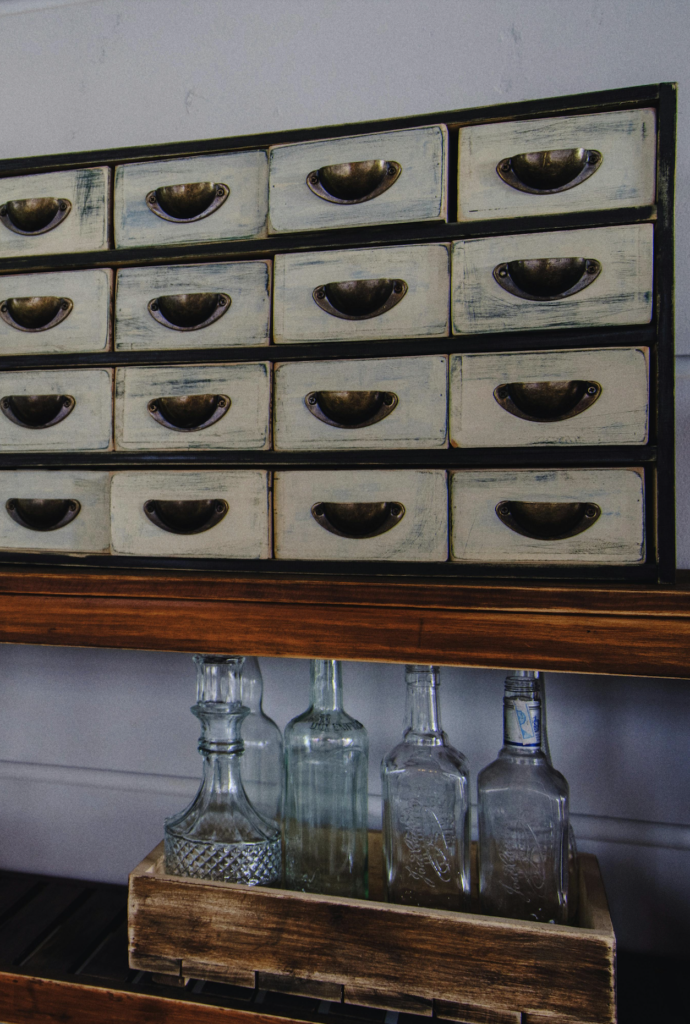
Vintage lifestyle home decor is an approach to decorating that emphasises authentic objects with histories, quality materials that age well, and a layered, accumulated aesthetic that reflects genuine personal taste over time. It is distinct from vintage-themed decor, which reproduces a particular era’s look without the genuine underpinning of real objects and real stories.
How do I start building a vintage lifestyle home without spending a lot?
Start with what you already have: identify the pieces in your home that have genuine meaning or quality and build around them. Then begin sourcing slowly: visit estate sales and thrift stores regularly, be patient, and focus on quality of material over the number of acquisitions.
What is the difference between vintage home decor and antique home decor?
Technically, antiques are items over 100 years old; vintage typically refers to items 20–99 years old. In practical terms, the vintage lifestyle home is not concerned with these distinctions. It is concerned with quality, story, and beauty regardless of precise age.
How do I mix vintage and modern pieces in a room?
The key is shared quality and coherent palette rather than shared period. A vintage armchair sits beautifully beside a contemporary sofa when both are upholstered in natural fabrics and set on a good rug. The connective tissue is quality of material and care of form, not matching provenance.
Where is the best place to find vintage furniture?
Estate sales and auction houses for genuinely old pieces at fair prices. Antique markets for curated selection. Thrift stores for serendipitous finds. Chairish and 1stDibs online for specific pieces with detailed photography and provenance information.
How do I style vintage objects without making a room look cluttered?
Edit ruthlessly. In a vintage lifestyle room, every object should earn its place. Group objects in odd numbers, allow generous space between groupings, and treat empty surface as a positive design choice rather than a gap to fill.
What colours work best in a vintage lifestyle home?
Warm neutrals and natural tones (cream, stone, terracotta, warm grey, soft sage, aged white) form the best background for vintage objects and natural materials. These are colours that read as timeless precisely because they have been used in homes across centuries.
Is vintage lifestyle decor expensive?
It does not need to be. Some of the most beautifully vintage-feeling homes are furnished almost entirely through inheritance, estate sales, and thrift store discoveries. The investment is time and discernment rather than budget: knowing what to look for and being patient enough to wait for the right piece.
How do I care for vintage textiles and furniture?
Natural materials respond well to natural care. Wood benefits from regular waxing or oiling. Wool and linen textiles should be hand-washed or professionally cleaned. Vintage upholstery benefits from a specialist cleaner. The philosophy of care mirrors the philosophy of collection: slow, attentive, and respectful of the material’s qualities.
Can I create a vintage lifestyle home in a modern apartment?
Yes. The vintage lifestyle aesthetic is dependent on objects, materials, and intention. A modern apartment furnished with genuine vintage pieces, natural textiles, original art, and personal objects will feel entirely authentic regardless of the building’s age.
The vintage lifestyle home is a practice. A practice of slowly building a space that reflects exactly who you are and what you have cared about, accumulated over time with patience and genuine attention. That is not a decorating style. It is a way of living.
Disclaimer
This blog post is created for inspirational and entertainment purposes only. It reflects personal perspectives and curated ideas, and should not be considered professional advice. Products recommended may be enabled for affiliate earnings by the seller, at no extra cost to the shopper. Where photographer copyright is not mentioned, images are created with the assistance of artificial intelligence, while the featured products themselves are real.