
Quiet Luxury vs. Maximalism: Which Side Are You On in 2026?
Two Aesthetics, One Defining Moment
There is a conversation happening in closets, living rooms and feeds all over the world right now, and it sounds something like this: do I keep it quiet, or do I go all in? Quiet luxury vs. maximalism 2026 is not just a style debate.
For the past few years, quiet luxury held the conversation almost entirely to itself. Understated tailoring, neutral palettes, quality fabrics worn without logos. The aesthetic felt like a cultural exhale after decades of consumption. Then something shifted. Maximalism started finding its voice again, louder and more intentional than before, pushing back with color, personality and unapologetic abundance. An neither is wrong. They should be able to live next to one another.
But understanding what each aesthetic is truly about and where you personally land can change the way you get dressed, decorate your home and spend your money for good.
This article breaks down 7 key differences between quiet luxury and maximalism in 2026, what each approach signals about personal style philosophy, and how to find your own confident answer when someone asks which side you are on.
What Quiet Luxury Actually Means in 2026
Quiet luxury has been a phrase used so frequently over the last two years that it risks becoming a cliché. But strip away the trend language and what you find is a genuine and enduring philosophy: buy less, buy better, let quality do the talking.
In 2026, quiet luxury has matured. It is no longer simply about owning neutral clothing from expensive brands. It has evolved into a full way of living: one that extends to interiors, self-care rituals, the gifts you give and the way you relate to consumption overall.
What the quiet luxury woman in 2026 knows that her 2022 counterpart may not have is this: restraint is not deprivation. Choosing fewer things, more intentionally, is not a limitation but a form of taste. The focus has moved from what you are not wearing to why you are wearing what you chose.
From my years in fashion, I watched this philosophy at work in the most literal sense. The brand I worked for built an entire world around the idea that elegance does not announce itself. It simply is. That lesson holds as much in 2026 as it did then.
What Maximalism Actually Means in 2026
Maximalism has had a fascinating rehabilitation. For years it was used almost pejoratively: excess, clutter, trying too hard. But the maximalism of 2026 is neither of those things. It is deliberate, joyful and deeply personal.
The new maximalist does not pile things together without thought. She curates abundance. She chooses a rich emerald velvet blazer because it makes her feel extraordinary. She layers a vintage brooch over a printed blouse because that combination tells a story no one else can tell. Her home is full of art, objects and textiles that carry meaning not because she bought everything she saw, but because she pursued everything she loved.
What distinguishes 2026 maximalism from the maximalism of past decades is intentionality. The aesthetic is personality-first, not trend-first. A true maximalist is not chasing whatever is loud this season. She is building a visual identity that is entirely her own, and she is not afraid of the space it takes up.
The energy behind the resurgence is also worth noting. Maximalism is, in many ways, a response. A response to a world that sometimes asks us to make ourselves smaller, quieter, less. The maximalist answers: no thank you.
Seven Key Differences Between the Two Aesthetics
Color and Pattern
Quiet luxury lives in a more narrow, warm palette. When color appears, it does so carefully, one note at a time. Maximalism, by contrast, welcomes the full spectrum. Deep jewel tones, layered prints, unexpected color combinations. All are welcome, all are intentional.
Branding and Logos
Quiet luxury famously avoids visible logos. The quality of the garment is its own advertisement. Maximalism has a more complicated relationship with branding: some maximalists are logo-enthusiastic, while others are purely aesthetic and care nothing about labels. The difference is that maximalism does not use invisibility as a status signal.
Approach to Accessories
The quiet luxury approach to accessories is minimal but considered: a single fine chain, a classic watch, understated earrings. The maximalist layered approach includes stacked rings, bold earrings, statement necklaces, scarves and brooches, often worn together. Both approaches require knowledge and confidence; only the volume differs.
Relationship with Trends
Quiet luxury is deliberately anti-trend, building a wardrobe that reads as timeless across decades. Maximalism engages with trends selectively: the maximalist may be drawn to a trend precisely because it gives her a new way to express something she already believes. The motivation is self-expression, not trend-following.
The Home
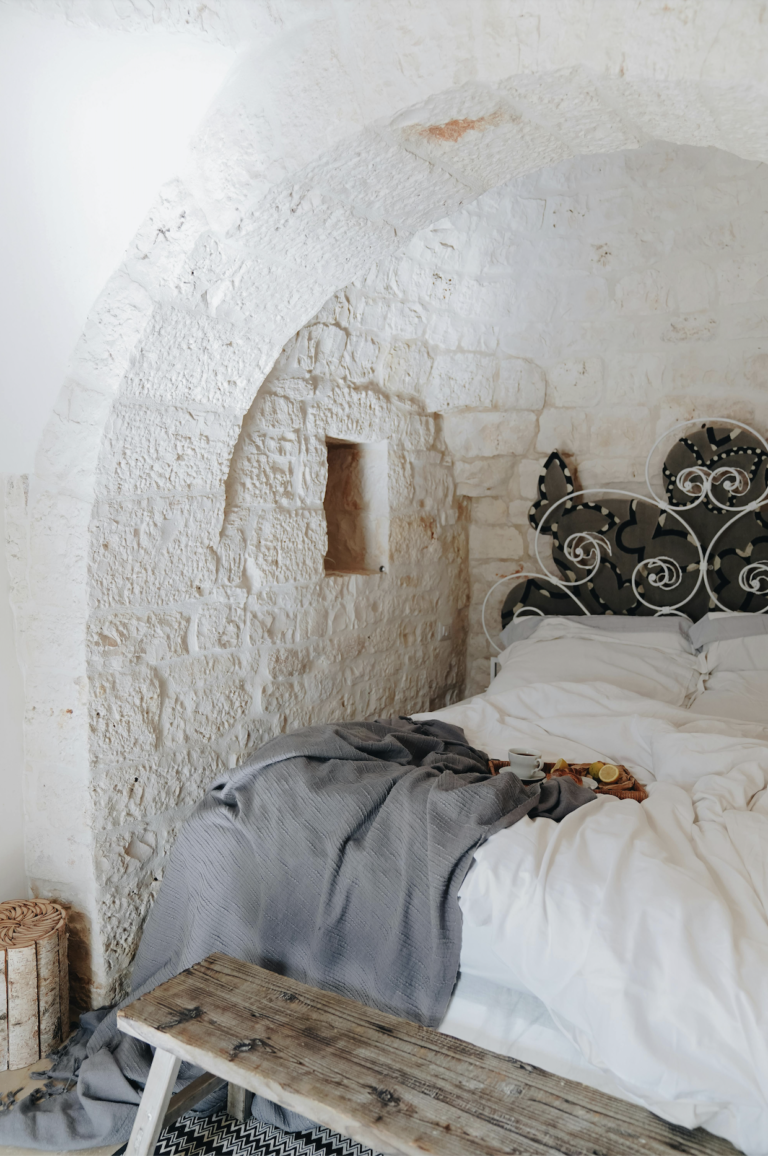
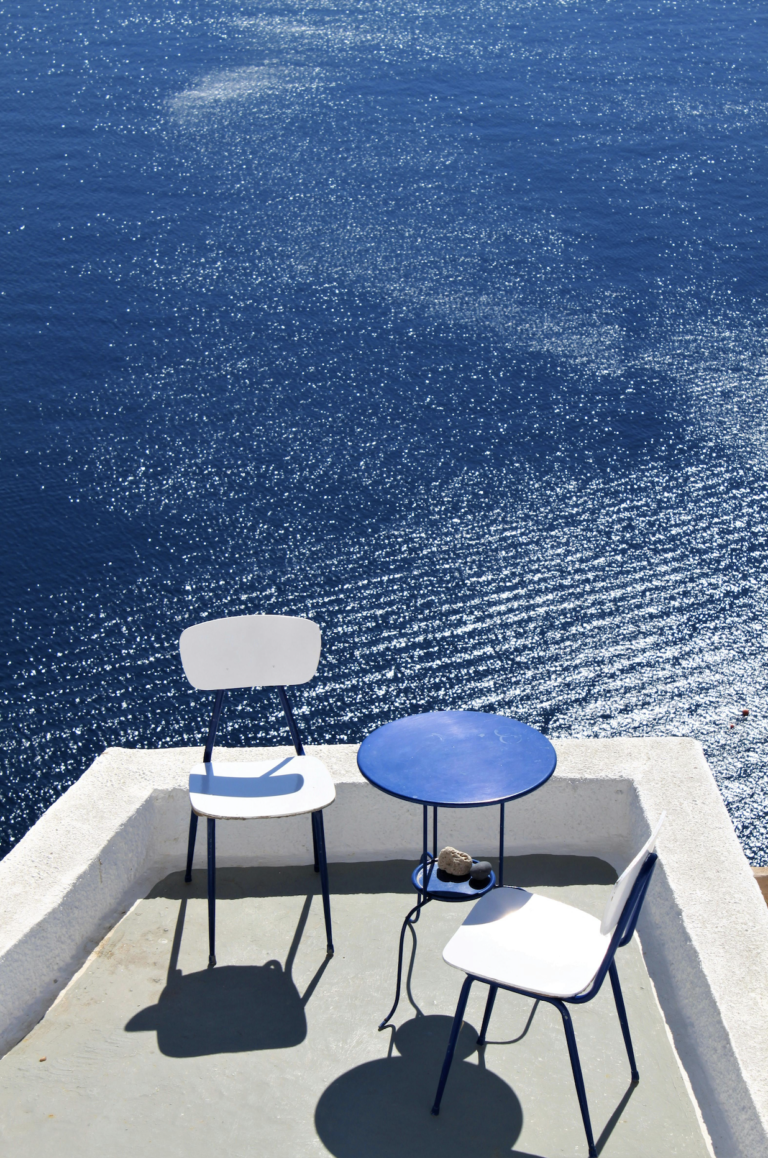
A quiet luxury home is serene, curated, with carefully chosen statement pieces placed with room to breathe. A maximalist home is layered, warm and filled with personality: books, art, travel objects, textiles. Both can be beautiful. Both can feel like home. The difference is in how much visual information you want to live with.
The Emotional Experience
Quiet luxury creates calm. It is an aesthetic that reduces visual noise and invites a slower, more contemplative way of moving through the day. Maximalism creates joy and stimulation. It is an aesthetic that surrounds you with everything you love and reflects your whole personality back to you at once.
The Statement Each Makes
Quiet luxury says: I know exactly who I am, and I have nothing to prove. Maximalism says: I know exactly who I am, and I want you to see all of it. These are not opposites. They are simply different kinds of confidence.
Where the Two Aesthetics Overlap in 2026
Here is something that gets lost in the debate: quiet luxury and maximalism are not as opposed as the conversation suggests. The most interesting dressers in 2026 are not choosing a side, instead, they are finding the overlap.
Quality is the common ground. Both a quiet luxury wardrobe and a well-built maximalist wardrobe are built on investment thinking. The quiet luxurionist spends on a cashmere coat. The maximalist spends on a piece of art that she will love for thirty years. Neither is wasteful. Both reject the fast, the disposable and the trend-driven.
Intention is the other meeting point. When a maximalist layers with purpose and a quiet luxury dresser chooses her one statement piece with care, they are doing the same thing at different volumes: making deliberate choices that reflect who they actually are.
A third overlap is the rejection of performance dressing, meaning buying things to signal status to others. The best versions of both aesthetics are deeply personal, worn for the self, not the audience.
In 2026, the hybrid is emerging: a wardrobe that is mostly quiet luxury in its foundations, with maximalist moments layered in deliberately. A single extraordinary brooch. One bold printed scarf. A room that is largely serene but has one wall of collected art. This approach is not a compromise. It is, arguably, the most sophisticated version of both.
How to Know Which Side You Are On
The honest answer is that most of us are not entirely on one side. But there are questions worth asking yourself when you want to get clearer on your instincts.
When you walk into a room that is completely serene: do you feel at home, or do you feel like something is missing? When you walk into a room full of art, color, layered textiles and collected objects, do you feel stimulated and inspired, or overstimulated and restless?
When you get dressed and everything is simple and clean, do you feel elegant or a little flat? When you add one bold element, does it feel like the finishing touch or like too much?
These reactions tell you more about your aesthetic identity than any trend report. And your aesthetic identity is not fixed. You may have been drawn to quiet luxury during a particularly overwhelming period of your life and find that maximalist energy calls to you now that you are in a more expansive chapter. Both are valid responses to where you are.
What matters is not choosing the right aesthetic in the eyes of the Internet. What matters is choosing the one that makes you feel most like yourself when you step out the door or walk into your own living room.
Which Aesthetic Is Winning in 2026?
The honest answer is that both are thriving, for different reasons and in different spaces.
Quiet luxury continues to dominate in the corporate and professional world, in aspirational lifestyle content, and in the home design space, where the appetite for calm, curated interiors remains strong. It holds its ground because its core promise: quality over quantity, timelessness over trend.
Maximalism is gaining ground fastest in personal style, in the resale and vintage space, in interior design circles that had grown tired of the all-neutral everything, and on platforms like Pinterest where visual personality and warmth perform well. It is winning where self-expression and joy are the primary currency.
The trend prediction worth paying attention to is this: the concept of a purely monolithic aesthetic allegiance is fading. The women who are most admired for their style in 2026 are those who have a strong enough point of view to draw from both without being defined by either. They have a quiet luxury foundation and they personalize it with exactly the right amount of personality, whether that is a single statement piece or a layered collection of things they genuinely love.
The aesthetic wars were always a little artificial. Real personal style does not live in camps.
Frequently Asked Questions
Is quiet luxury still relevant in 2026?
Yes. Quiet luxury has evolved from a moment into a lasting philosophy. In 2026, it is less about a specific aesthetic look and more about a way of thinking about quality, investment and intention.
Is maximalism coming back in 2026?
Maximalism has been coming back steadily for the past two years and is now firmly established as a countermovement to quiet luxury minimalism. In 2026, it is particularly visible in home decor, vintage fashion and on image-driven platforms like Pinterest. It is not replacing quiet luxury, both are thriving simultaneously.
Can you mix quiet luxury and maximalism?
Absolutely. The most interesting and personal style in 2026 often blends both. A quiet luxury wardrobe foundation can be elevated with one or two maximalist details like a statement brooch, layered jewelry or a richly printed accessory. The key is intentionality.
What is the difference between quiet luxury and stealth wealth?
Stealth wealth is specifically about signaling affluence without obvious logos or flashy display. It is somewhat status-focused. Quiet luxury can overlap with stealth wealth but is broader: it is about taste, quality and intentionality, regardless of the price point. You can practice quiet luxury on a modest budget by focusing on fit, fabric and care rather than brand names.
What are the defining colors of quiet luxury in 2026?
The quiet luxury palette in 2026 remains anchored in warm neutrals such as ivory, warm cream, soft oatmeal, warm grey and a deep but muted navy. Earthy tones have gained ground this year, including warm terracotta, dusty sage and clay, which add warmth while staying within the understated spectrum.
What are the defining colors of maximalism in 2026?
2026 maximalism favors jewel tones, such as deep emerald, sapphire, rich burgundy, warm gold and cobalt. It also embraces bold prints, unexpected color combinations and rich textures like velvet, brocade and embroidered fabric. The palette is expressive and warm rather than neon or harsh.
Which aesthetic works better for Pinterest?
Both perform well on Pinterest, but for different reasons. Quiet luxury content performs best when it shows aspirational lifestyle imagery: beautiful interiors, well-styled outfits, elegant product photography. Maximalism performs well when it delivers visual surprise and personality: richly layered looks, colorful interiors and bold styling details that stop the scroll.
Is quiet luxury appropriate for women over 50?
Quiet luxury is exceptionally well-suited to women over 50 because it prioritizes fit, quality and timelessness over trend compliance. It flatters because it is built on excellent tailoring and fine materials rather than fast-fashion proportions. Equally, maximalism can be wonderful for women over 50: the confidence to wear bold color and personal jewelry tends to grow with age, not diminish.
How do I start a quiet luxury wardrobe if I currently dress more maximally?
You do not need to discard your existing wardrobe. Start by identifying the pieces you already own that feel most like quiet luxury and build outward from there. Add one neutral investment piece at a time: a quality cashmere knit, a tailored blazer, a leather belt. Keep what you love from your maximalist wardrobe and let the two coexist.
How do I add maximalist energy to a quiet luxury wardrobe?
Start with accessories. A single vintage or statement brooch on a lapel or collar, a richly patterned scarf tied in your hair or at your neck, stacked rings on one hand, or one pair of bold earrings with an otherwise quiet outfit. Any of these will introduce maximalist personality without overwhelming a quiet luxury foundation. Let one element speak at a time and add more only as it feels right to you.
The Only Answer That Matters
The quiet luxury vs. maximalism conversation is worth having, not because there is a winner, but because it invites you to get clearer on what you actually value and how you want to move through the world.
Quiet luxury offers the freedom of simplicity: a wardrobe that always works, a home that always feels calm, an aesthetic that ages without effort. Maximalism offers the freedom of self-expression: a life that looks like you, feels like you and does not apologize for the space it takes up.
In 2026, the most considered answer is not one or the other. It is knowing yourself well enough to take exactly what you need from each and wearing the result with complete confidence.
That, in the end, is what both aesthetics are reaching toward anyway.
See more inspiration from Cassy & Lynn on Pinterest: Cassy Lynn on Pinterest
Disclaimer
This blog post is created for inspirational and entertainment purposes only. It reflects personal perspectives and curated ideas, and should not be considered professional advice. Products recommended may be enabled for affiliate earnings by the seller, at no extra cost to the shopper. Where photographer copyright is not mentioned, images are created with the assistance of artificial intelligence, while the featured products themselves are real.